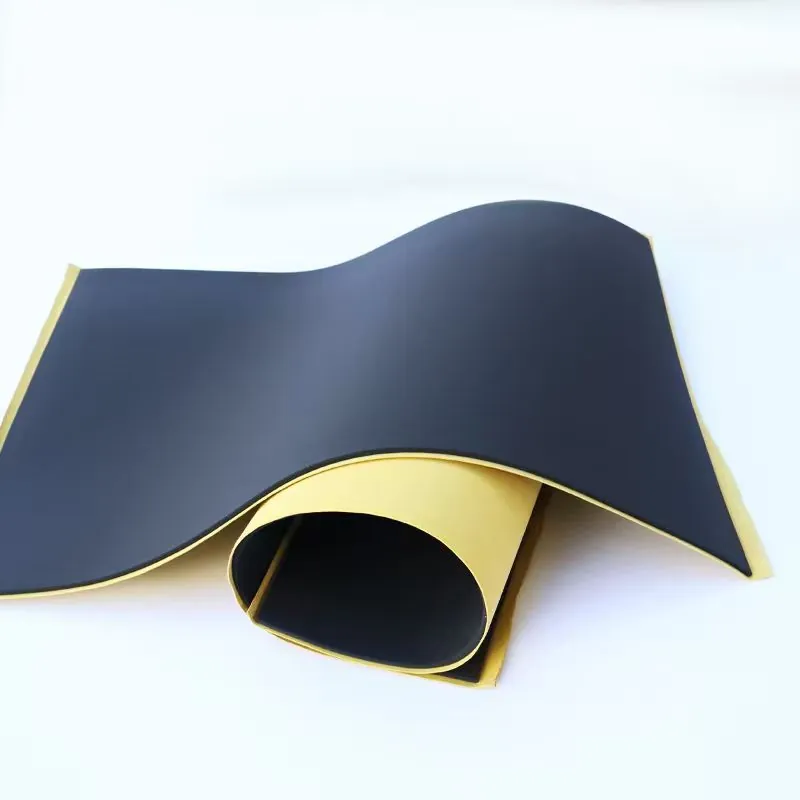
What Makes a Good Laser Rubber Sheet for CO2 Engraving
If you run a stamp shop or a laser-service workshop, your rubber sheet is your reputation: every impression your customers make traces back to how the sheet engraved. We manufacture laser rubber sheets for CO2 engraving and use the same material for the dies in our own self-inking stamps — so this guide comes from both sides of the machine. Here is what actually separates a good sheet from a cheap one.
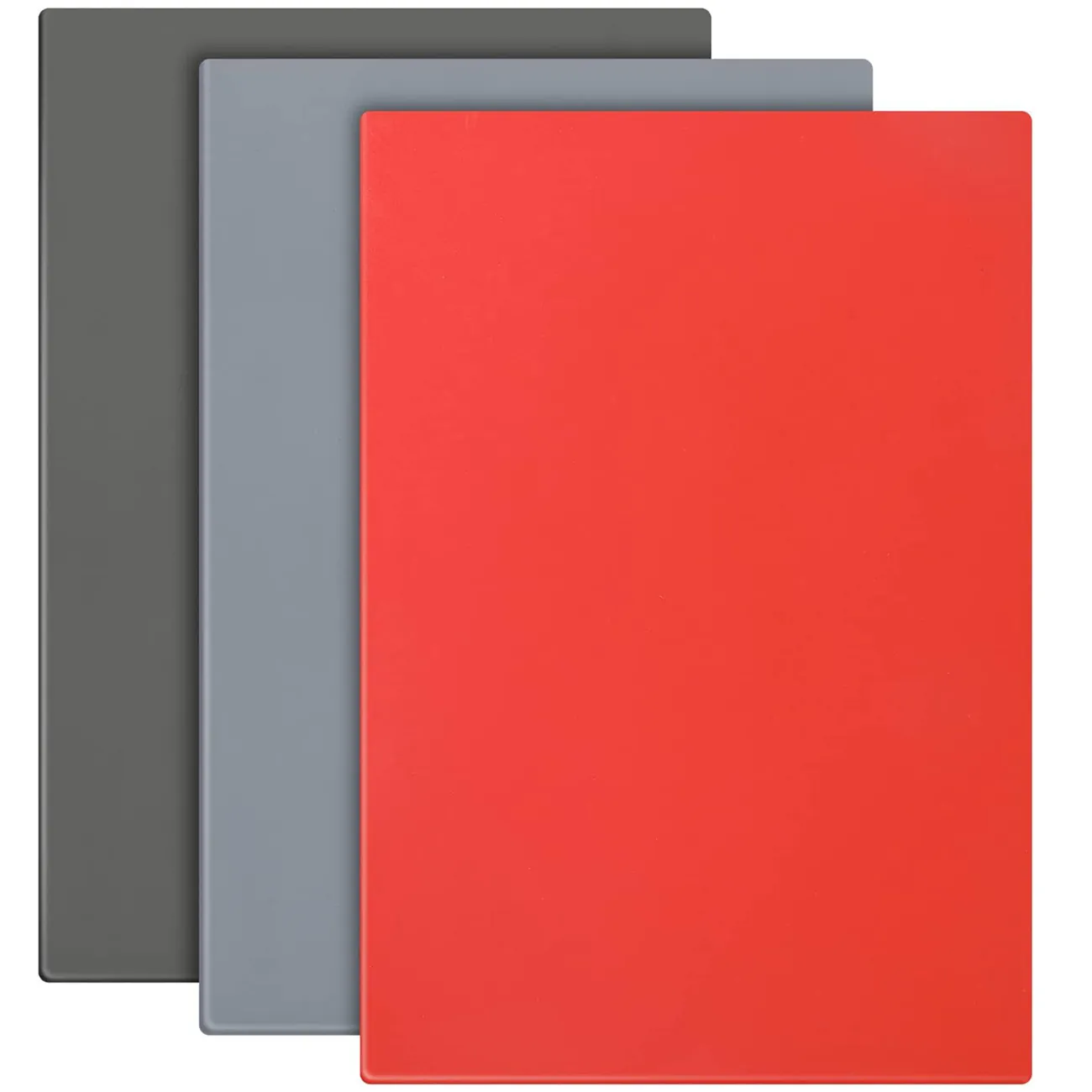
1. Engraving Quality Comes First
A good sheet engraves with crisp shoulders and sharp edges — fine text down to small point sizes stays readable, and thin lines do not crumble when the die is washed. Cheap sheets blur fine detail and leave ragged edges that print as fuzzy impressions. The test is simple: engrave 6–8 pt text and inspect the die under magnification. If the serifs are clean, the sheet is good.
2. Odor and Smoke Matter More Than You Think
Engraving rubber is controlled burning — every sheet produces odor and smoke. The difference is degree. Low-odor formulations noticeably reduce the burnt-rubber smell in the workshop, which matters when your machine runs all day. Our sheets use a low-odor, low-smoke formula; extraction is still recommended, but your operators will notice the difference within one shift.
3. Batch Consistency Protects Your Settings
Laser settings are dialed in per material. If sheet two hundred engraves differently from sheet one, you re-dial power and speed — or scrap dies. Consistent formula and uniform thickness across batches means your settings stay valid month after month. We hold the A4 sheet at a uniform 2.3 mm, the standard thickness for self-inking stamp dies.
4. Spec Checklist Before You Buy
| Spec | What to Look For | Our Sheet |
|---|---|---|
| Laser compatibility | CO2 laser, 40 W+ recommended | CO2-optimized formula |
| Thickness | Matches your die pockets | 2.3 mm standard; others on request |
| Sheet size | Fits your bed with minimal waste | A4 (210 × 297 mm); custom cutting available |
| Odor / smoke | Low-odor formula for daily work | Low-odor, low-smoke |
| Surface | Uniform, no bubbles or hard spots | Uniform for consistent depth |
| Packaging | Workshop packs, private label | 20-sheet packs; private-label options |
5. Match the Sheet to the Job
For standard self-inking stamp dies, an A4 2.3 mm sheet covers most layouts efficiently. For high-volume die production, ask about pre-cut plates — our L-CUT service cuts sheets to your common die sizes, reducing waste and speeding up your workflow. For specialty inks or unusual applications, tell us your use case; material behavior under solvent-heavy environments is something we test in-house for our own stamp production.
6. Test Before You Commit
Any confident supplier sells samples. Run this protocol on your own machine: fine-text plate, a full sheet of production work, then impressions from the finished dies. Compare edge sharpness, workshop odor and wash durability against your current material. Our sample sheets ship within 2 working days, MOQ after that is 100 sheets with volume pricing — details on the product page. Common buyer questions are answered on our FAQ page.