ABS vs PP: What the Shell Plastic Actually Changes
Ask a stamp supplier what plastic their bodies use and you will usually hear “ABS” — sometimes followed by a silence when you ask which ABS, or why not PP. This guide gives the straightforward engineering answer we give our own OEM customers: what each material brings, why we build our self-inking stamp bodies on Taiwan CHIMEI ABS, and the questions that matter more than the material name.
What ABS Brings to a Stamp Body
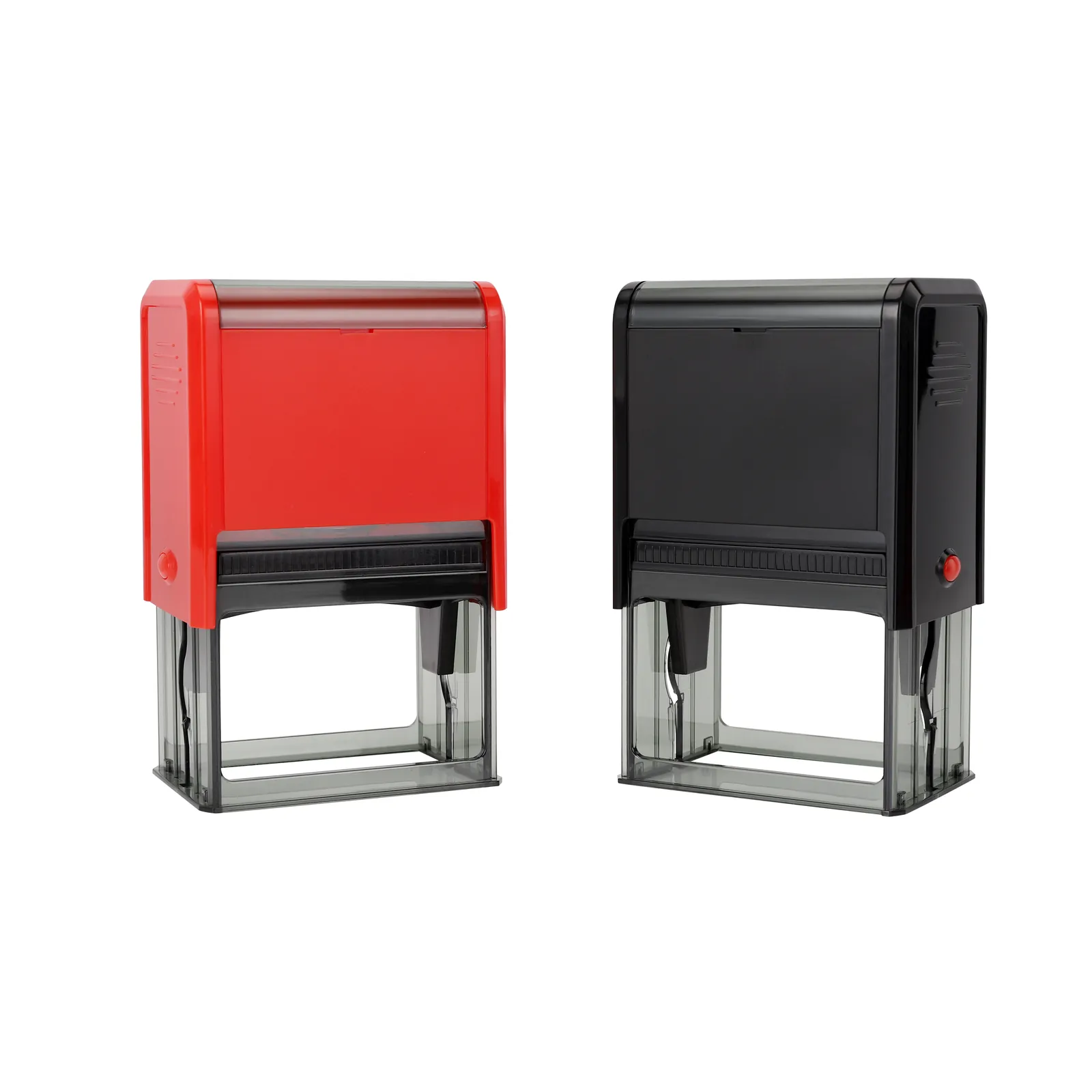
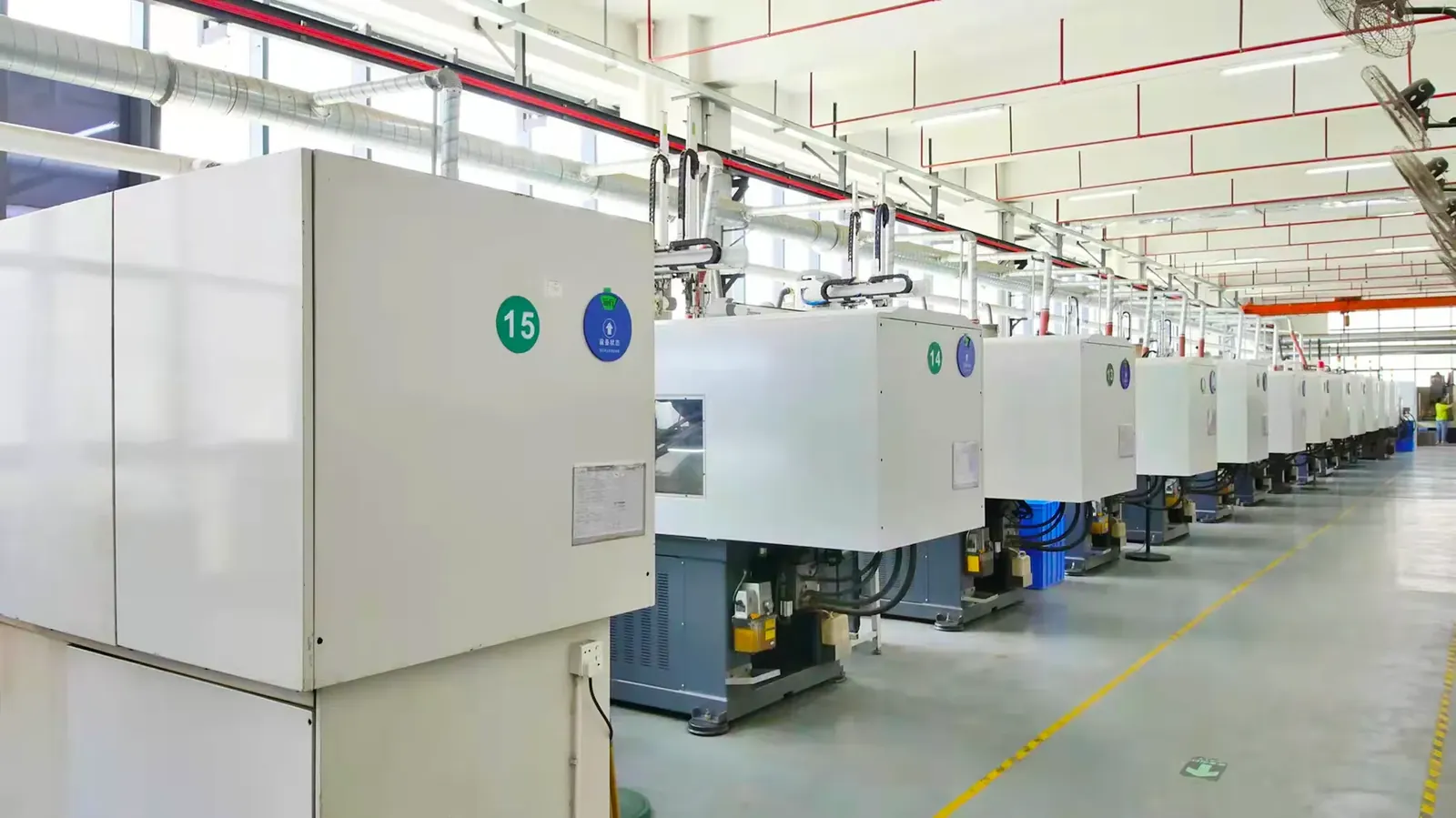
ABS is the workhorse engineering plastic for rigid housings, and a self-inking body is exactly that: a housing with a moving mechanism inside. ABS molds with crisp detail and tight dimensional stability, so mechanism rails, lock positions and pad seats hold their tolerances across a production run. It takes a good surface finish — important when the shell carries your customer’s logo — and it is rigid enough that the press-and-flip action feels precise rather than spongy. These are the properties a stamp body actually uses, thousands of presses at a time.
What PP Brings — and Where It Belongs
PP is an excellent polymer with a different personality: lower density, outstanding chemical resistance, and a natural flexibility that makes it perfect for living hinges, containers and caps. Those same traits work against it in a stamp body — flexibility reads as play in the mechanism, and its surface and rigidity make precision housings harder to hold. PP parts exist across many product categories, and we say this as a factory that respects the material: a self-inking mechanism housing is simply an ABS-shaped job.
Head-to-Head for Stamp Bodies
| Property | ABS | PP |
|---|---|---|
| Rigidity | High — precise mechanism feel | Flexible — play in moving parts |
| Dimensional stability | Holds tight tolerances | More shrink and warp to manage |
| Surface finish | Smooth, good for logos and color matching | Waxy, harder to decorate cleanly |
| Chemical resistance | Good | Excellent |
| Best fit | Rigid housings, mechanisms, stamp bodies | Hinges, containers, chemical-exposed parts |
The Questions That Matter More Than “ABS or PP”
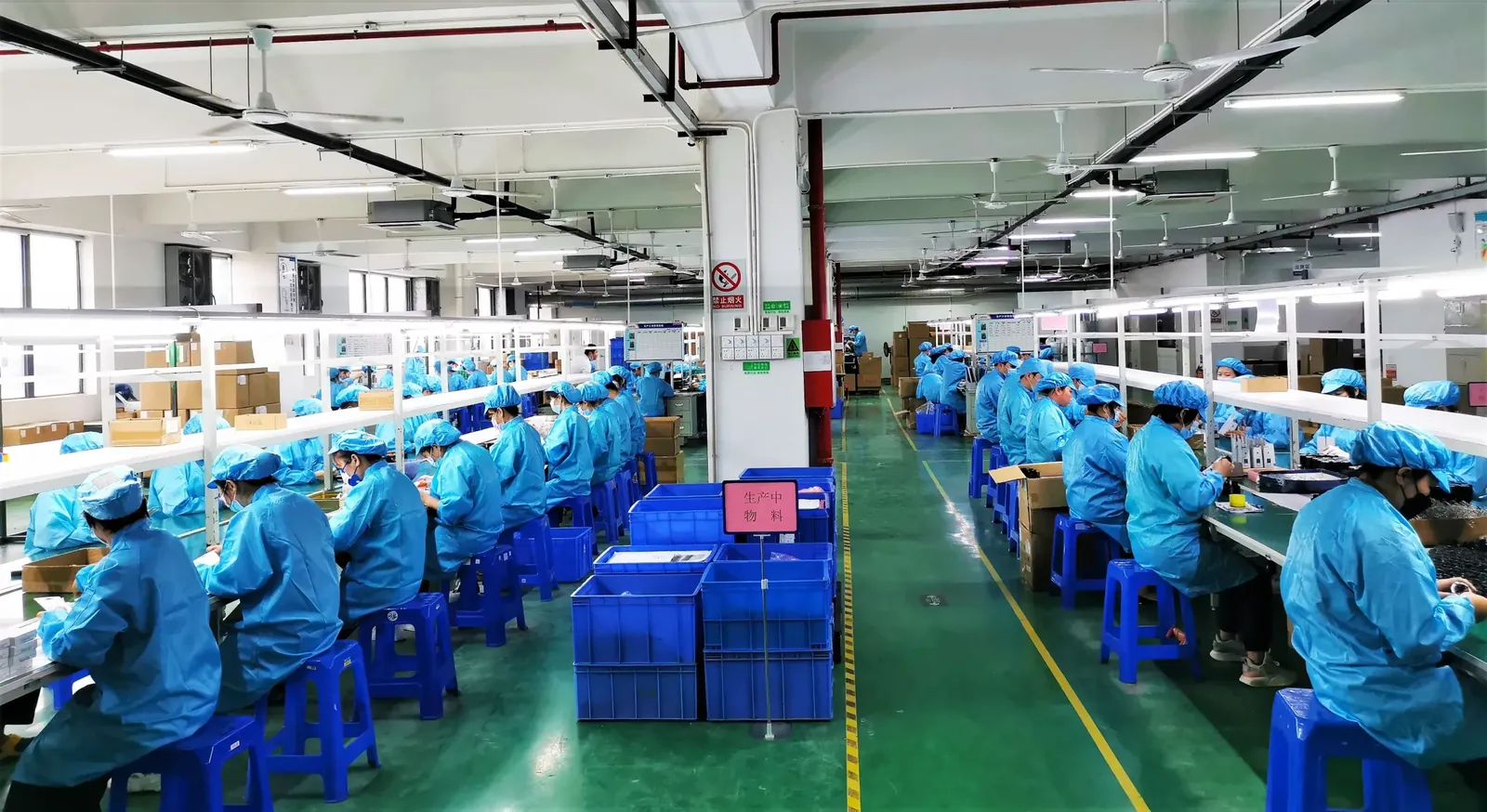
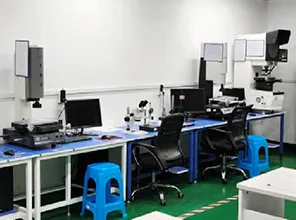
Material name is the start of the conversation, not the end. Ask any supplier: Which grade, from which producer? We use Taiwan CHIMEI ABS — named and traceable. Is it consistent between batches? Ours is verified in incoming raw material inspection, the first gate of our seven-stage QC. Can I approve a sample? Always — samples ship in 2 working days. A generic “ABS” answer to those questions tells you less than a named grade with a QC process behind it.
OEM Note: Same Material, Your Colors
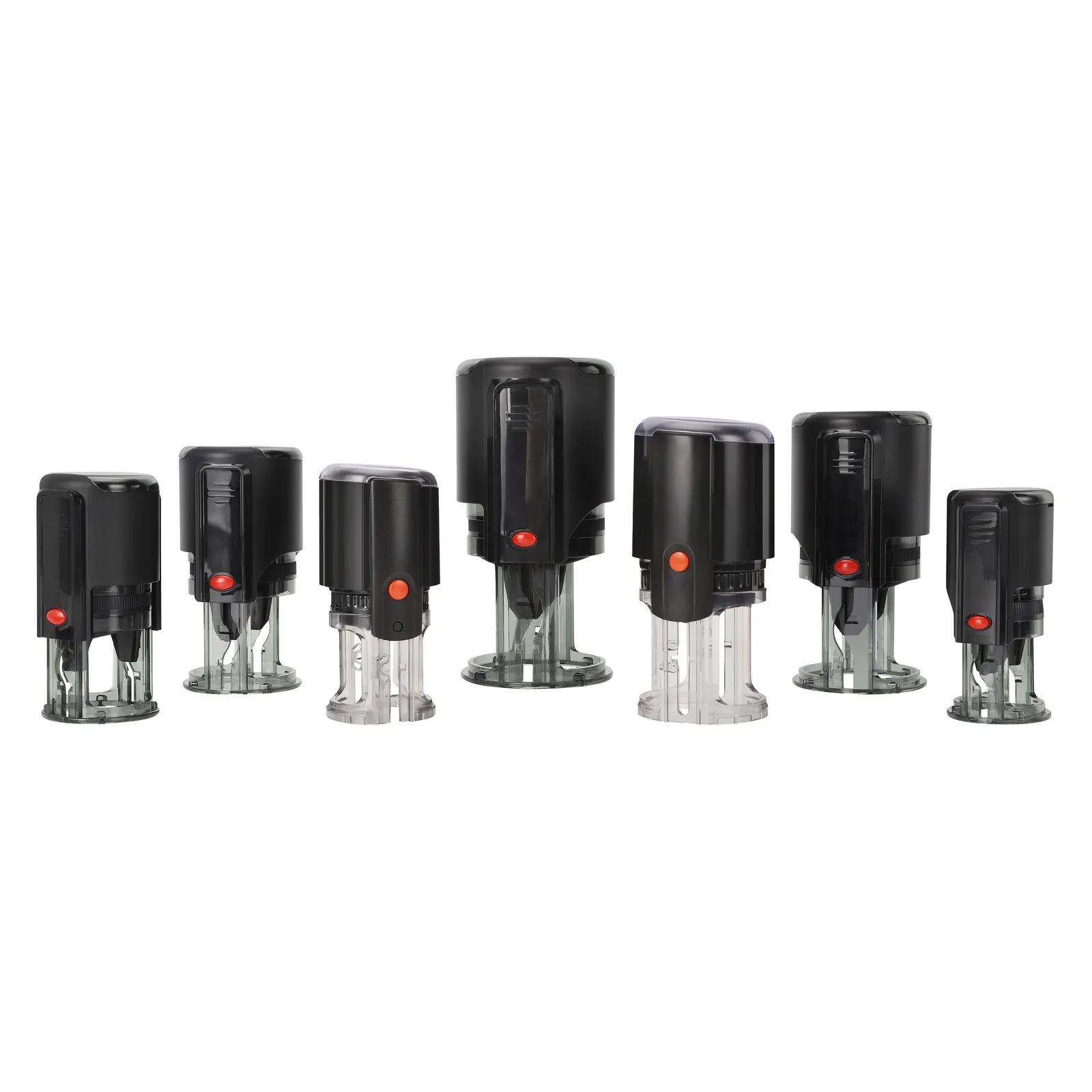
For private-label programs, shell color customization happens in the same CHIMEI ABS — Pantone-matched to your brand, with logo application and custom packaging through our OEM service. Your branded line gets the same mechanical platform as our standard range, because the material and moulds do not change — only the identity does.